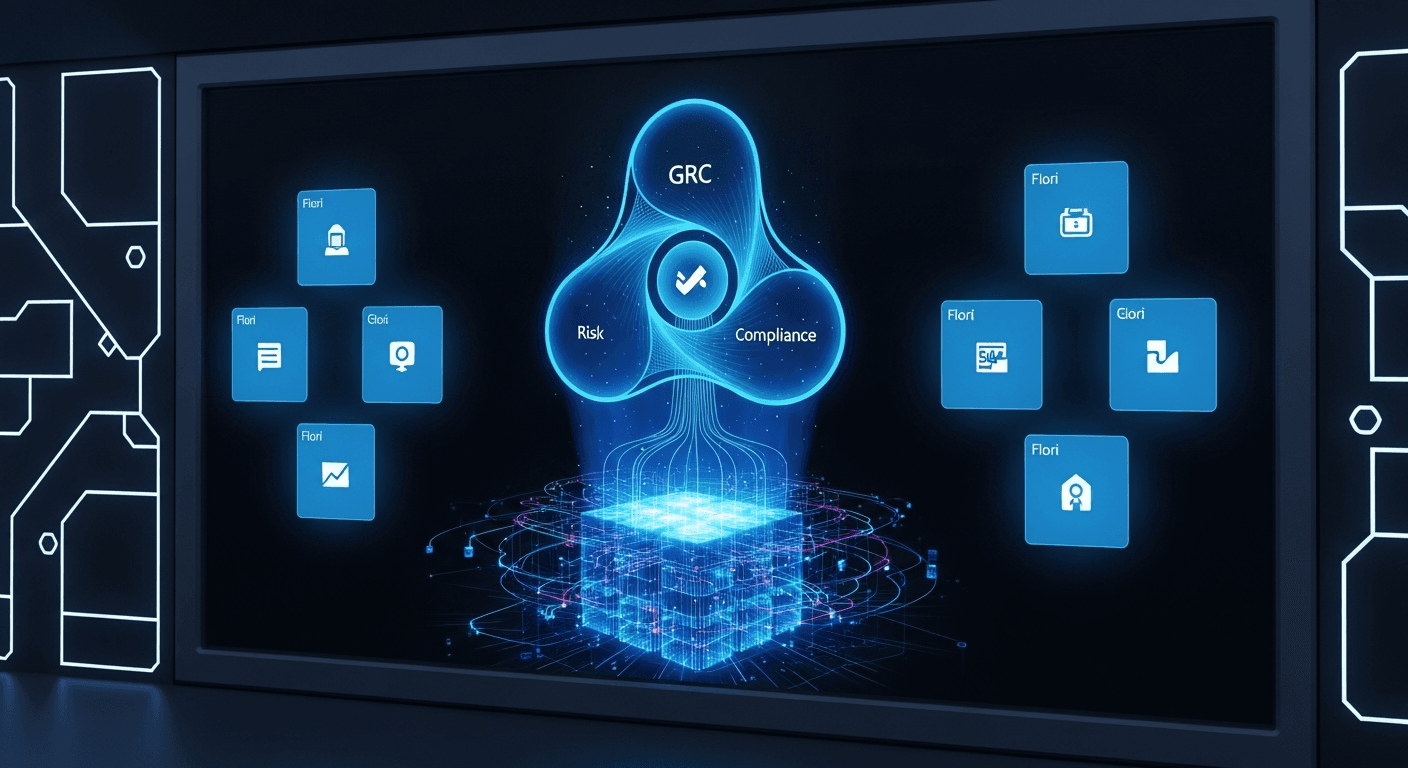
The End of Fragmented GRC
For over a decade, SAP's Governance, Risk, and Compliance tools have lived in separate silos. Access Control in one module. Process Control in another. Risk Management somewhere else entirely. Your GRC team has been juggling three different interfaces, three different data models, and three different upgrade cycles.
That era is ending.
SAP GRC 2026 (officially GRC for HANA 1.0) unifies these fragmented modules into a single, HANA-native platform. This is not a cosmetic refresh. It is a fundamental architectural change that affects every GRC process in your organization.
What Changes in GRC 2026
1. Unified Data Model
Access Control, Process Control, and Risk Management now share a single HANA data model. This means a risk identified in Process Control can automatically trigger an access review in Access Control without manual handoffs or data synchronization.
2. Fiori-Based UX
The legacy SAP GUI grey screens are replaced with modern Fiori interfaces. Research shows that intuitive UX increases tool adoption by 60-80%. When your compliance team actually uses the tools, your risk posture improves dramatically.
3. Joule Integration
SAP's AI copilot, Joule, is embedded directly into GRC 2026. Users can ask natural language questions like Show me all SoD conflicts for users in the AP department or What access changes were made last week that increased our risk score? Joule does not just retrieve data. It proposes remediation actions.
4. Agentic Remediation
This is the breakthrough feature. GRC 2026 does not just detect problems and log them. It can autonomously propose and execute fixes. A detected SoD conflict can trigger an automatic role adjustment, subject to configured approval workflows. The system moves from passive monitoring to active governance.
The Migration Timeline
SAP is phasing out support for legacy GRC 12.0 on a 2027-2030 timeline. Organizations that wait until the last moment face compressed timelines, resource competition, and higher costs. Those that migrate now gain immediate competitive advantages:
- Modern UX that improves audit efficiency by 40%+
- AI-powered compliance that catches issues in real-time, not quarterly
- Unified reporting across all GRC domains
- Foundation for agentic governance
What UX Tech Delivers
At UX Tech, we do not just migrate your data. We modernize your entire GRC experience. Our GRC 2026 implementation includes pre-migration assessment and Clean Core analysis, data migration with SoD rule optimization, Fiori UX design tailored to your compliance workflows, Joule agent configuration for your specific risk scenarios, user enablement and change management, and post-migration monitoring.
The companies that move first will set the standard. Contact us for a free GRC Readiness Assessment.

