What is GRC?
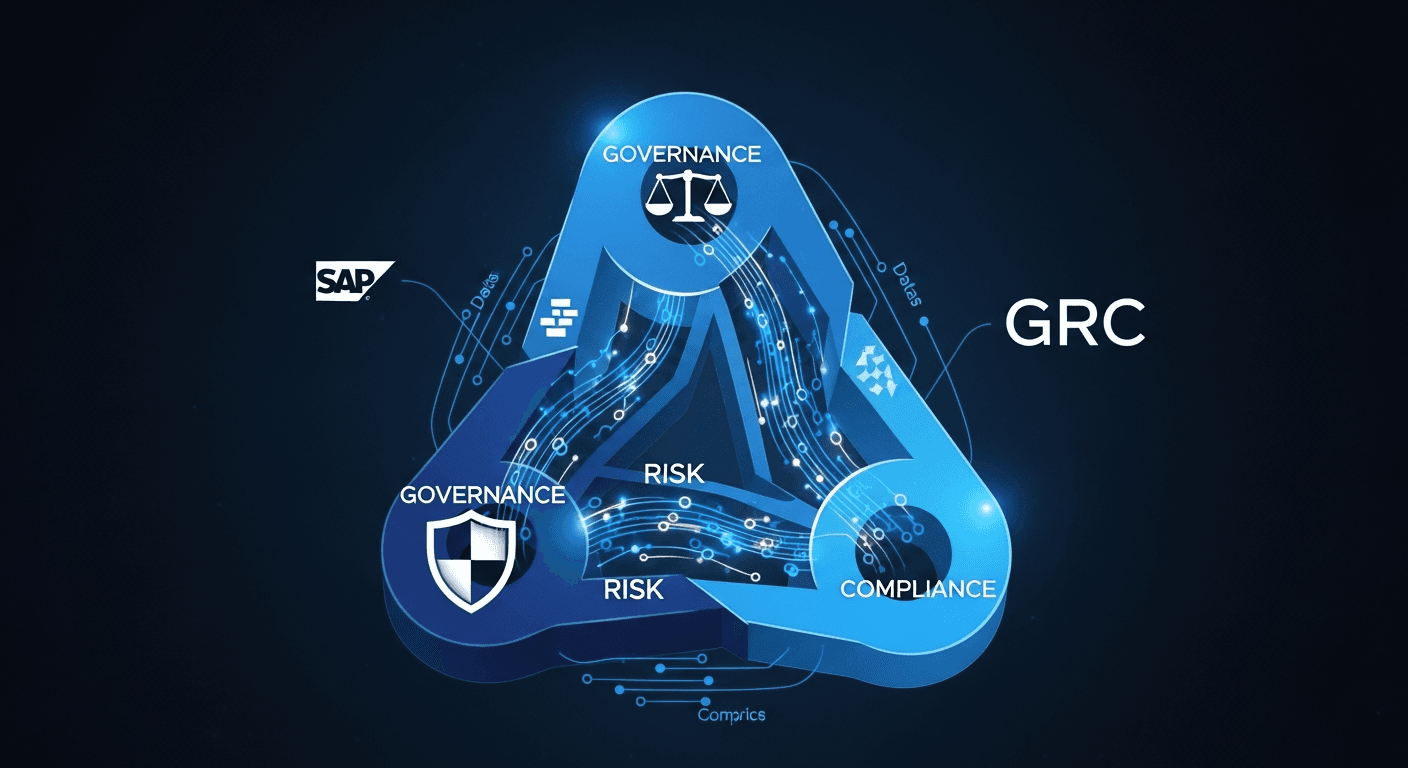
Governance, Risk, and Compliance (GRC) is a structured approach to aligning IT with business goals while managing risk and meeting regulatory requirements. In the SAP context, GRC encompasses the tools, processes, and policies that ensure your enterprise systems operate securely, efficiently, and in compliance with applicable regulations.
The Three Pillars
Governance establishes the framework for decision-making, accountability, and oversight. In SAP environments, this includes defining who can access what data, how changes are approved and implemented, and how the organization ensures alignment between IT operations and business strategy.
Risk Management involves identifying, assessing, and mitigating risks to your SAP landscape. This includes operational risks (system downtime, data loss), security risks (unauthorized access, data breaches), and compliance risks (regulatory violations, audit findings).
Compliance ensures that your SAP operations meet regulatory requirements and internal policies. This includes financial regulations (SOX, IFRS), data protection (GDPR, CCPA), industry standards (ISO 27001, NIST), and internal audit requirements.
SAP GRC Solutions
SAP Access Control: Automates access risk analysis, segregation of duties (SoD) management, and emergency access management. It provides real-time visibility into access risks across your SAP landscape and enables automated remediation workflows.
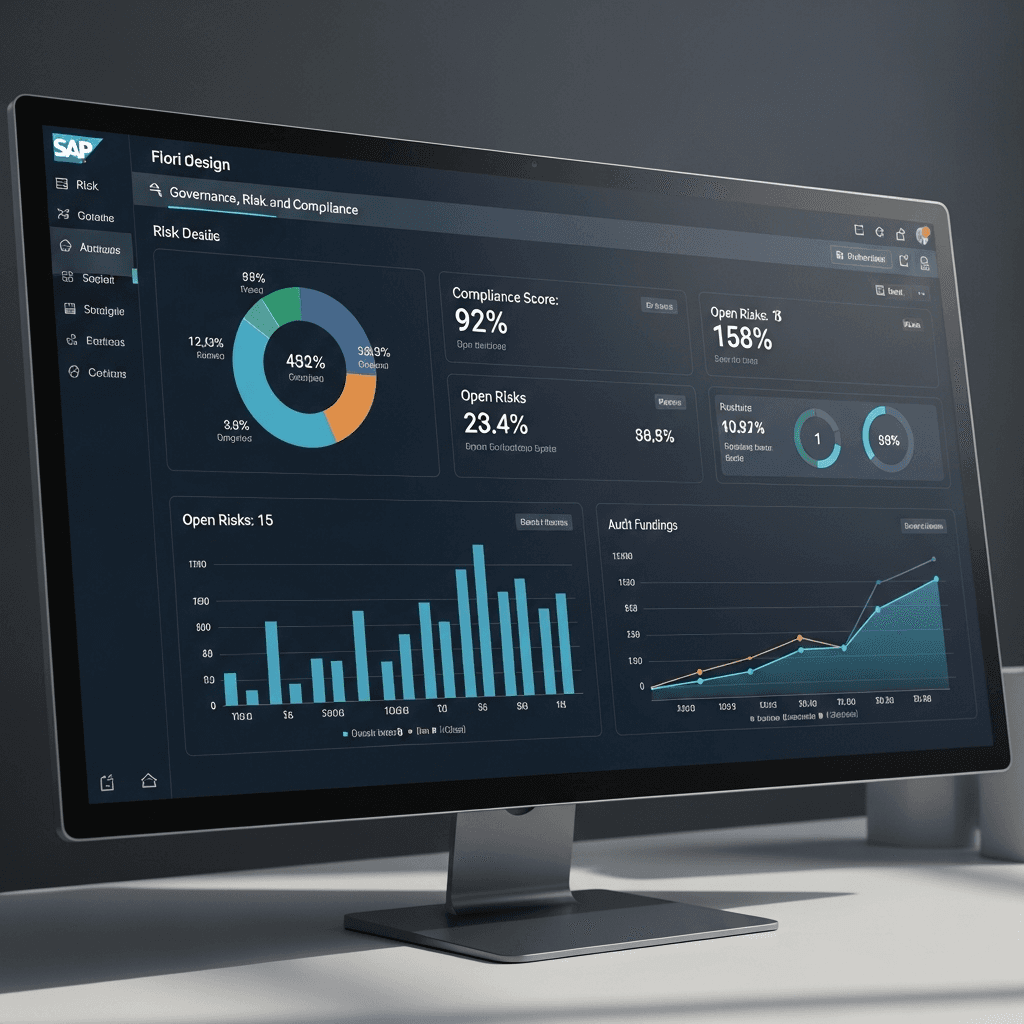
SAP Process Control: Automates the monitoring and testing of internal controls. It provides continuous compliance monitoring, automated testing of control effectiveness, and real-time dashboards for compliance status.
SAP Risk Management: Provides a centralized platform for identifying, assessing, and responding to enterprise risks. It integrates with other GRC components to provide a holistic view of organizational risk.
Implementing GRC: A Practical Approach
Phase 1 — Foundation: Start with access risk analysis and SoD rule design. Define your critical authorization combinations, map them to business processes, and establish baseline metrics.
Phase 2 — Automation: Implement automated access request workflows, periodic access reviews, and continuous monitoring. This reduces manual effort and improves consistency.
Phase 3 — Optimization: Extend GRC to cover process controls, risk quantification, and predictive analytics. Integrate with enterprise SIEM and audit management platforms.
Common Pitfalls
Organizations frequently stumble on GRC implementations by trying to boil the ocean. Start with your highest-risk areas (financial transactions, privileged access), demonstrate value quickly, and expand incrementally. Technology alone won't solve GRC challenges — you need clear processes, trained people, and executive sponsorship.
The ROI of GRC
A well-implemented GRC program reduces audit costs, prevents costly compliance violations, minimizes security incidents, and provides executives with confidence that their SAP systems are operating within acceptable risk parameters. The investment pays for itself many times over in reduced risk exposure and operational efficiency.